AVPN Webinar Spotlights Resilience Mapping and Connectivity for Disaster Response and Prevention in Southeast Asia
As disasters increase in frequency and severity across Southeast Asia, gaps between available funding and frontline implementation continue to challenge effective disaster response, mitigation, and prevention. To address this, the Asia Venture Philanthropy Network (AVPN) convened an online regional webinar focused on resilience mapping, connectivity, and practical pathways to better align funders with implementing organisations working on the ground.
The session brought together funders, humanitarian actors, civil society organisations, and private sector networks to examine how disaster response ecosystems can be strengthened through improved coordination, reduced administrative burden, and clearer channels of engagement. Particular attention was given to the need for credible, trusted platforms that enable timely support while responding to the operational realities faced by frontline actors.
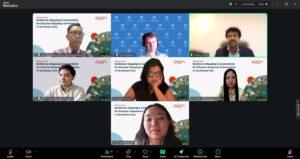
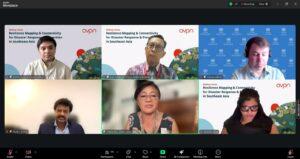
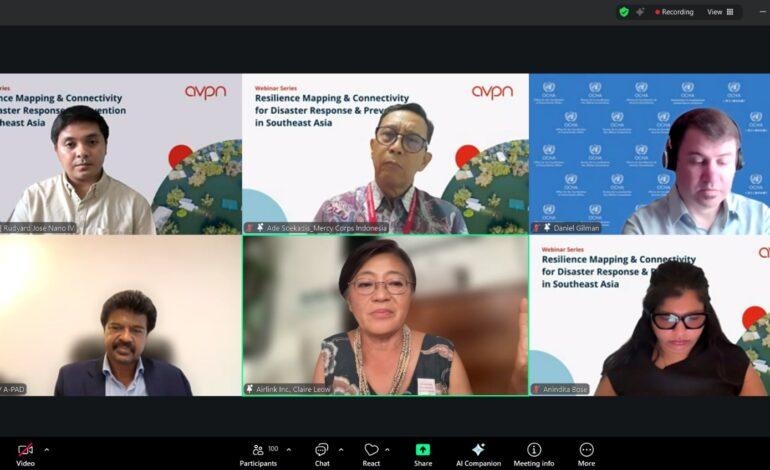
The panel discussion titled “Voices from the Field” was moderated by Mr. Firzan Hashim, Chief Operating Officer of the Asia Pacific Alliance for Disaster Management (A-PAD) International and Country Director of A-PAD Sri Lanka. As moderator, Mr. Hashim framed the discussion around the lived experiences of implementing organisations, guiding panelists to reflect on shared challenges, operational bottlenecks, and opportunities to improve connectivity between national focal points, funders, and responders.
Mr. Daniel Gilman, Humanitarian Affairs Officer at the United Nations Office for the Coordination of Humanitarian Affairs (OCHA), highlighted the importance of timely information, coordinated assessments, and structured financing mechanisms in enabling effective humanitarian response, particularly in complex and overlapping crises to rapidly distribute money.
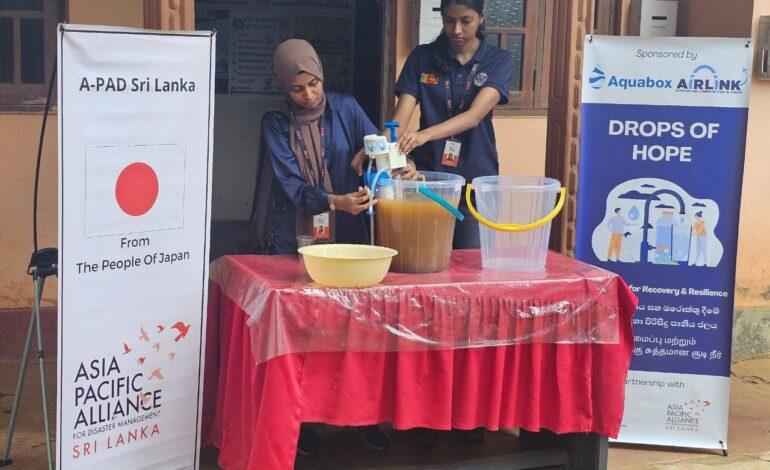
Ms. Claire Leow, APAC Regional Representative at Airlink, shared how Airlink supports humanitarian partners through coordinated logistics and aviation services. She outlined how partnerships with NGOs, governments, and UN agencies enable rapid and cost-efficient delivery of aid and personnel, particularly in hard-to-reach and disaster-affected areas, including recent responses in Sri Lanka and the wider region.
Mr. Rudyard Jose, Grants and Research Officer at the Philippine Disaster Resilience Foundation (PDRF), spoke on the role of private sector coordination in disaster preparedness and response, emphasising structured engagement, data-driven decision-making, and localised partnerships.
Mr. Ade Soekadis, Executive Director of Mercy Corps Indonesia, spoke on the operational realities faced by NGOs, underscoring the importance of preparedness, flexible and rapid funding, and strong coordination mechanisms, especially during large-scale and complex emergencies.
Collectively, the discussion underscored the need for shared operational principles to reduce administrative burden on frontline organisations, strengthen trust, and improve the flow of resources from funders to communities – reinforcing the importance of collaborative, systems-based approaches to disaster resilience across Southeast Asia.
Listen to the full webinar to learn more!