A-PAD Mobilises for Nepal’s Flash Flood Response
Following the catastrophic flash floods that struck Nepal’s Rasuwa and Nuwakot districts on 26 August 2026, triggered by a glacial lake outburst on the Nepal-China border, a team from A-PAD international deployed to Nepal to assess the extent of the damage and understand the ground realities firsthand.
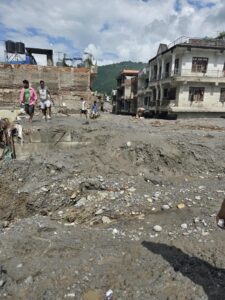
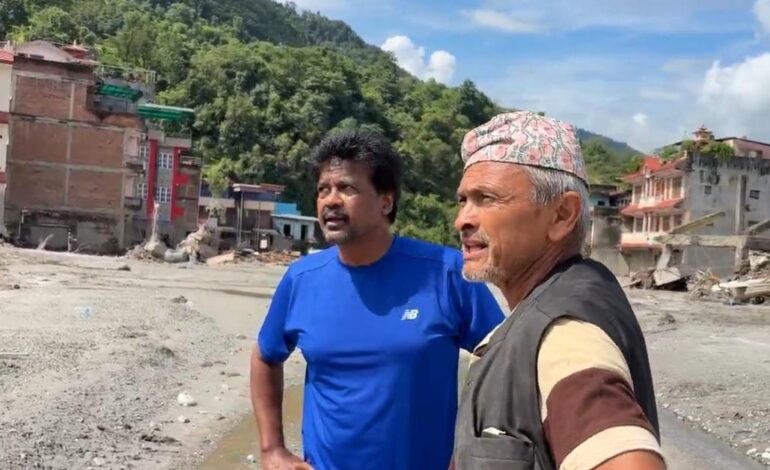
The team arrived in Kathmandu on 27 August and travelled into the field the following day. In Devighat, they encountered a settlement buried under mud and debris, its bridges destroyed and residents wading knee deep through silt, carrying what belongings they could salvage from their damaged homes.
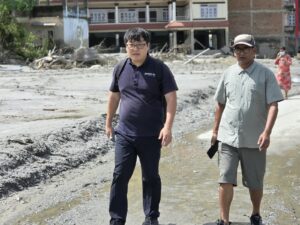
The team engaged directly with affected communities, speaking with residents to gauge the magnitude of the disaster and the support required going forward. In a short span of time, many have lost family members, livelihoods and homes. With nowhere else to go, displaced families are currently sheltering at a secondary school in Pipaltar, though this arrangement is temporary given the need to resume children’s education there.
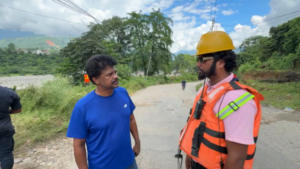
In Bidur, the team observed the extent to which the floods have severed road access, with the normal highway route beyond the town washed away entirely. Beyond this point, military helicopters continue to serve as the primary means of reaching communities cut off by the disaster.An alternate route has since been identified, though it remains longer and more difficult to navigate.
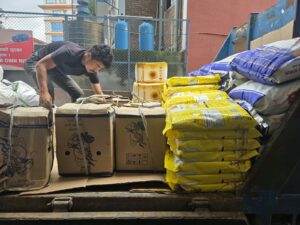
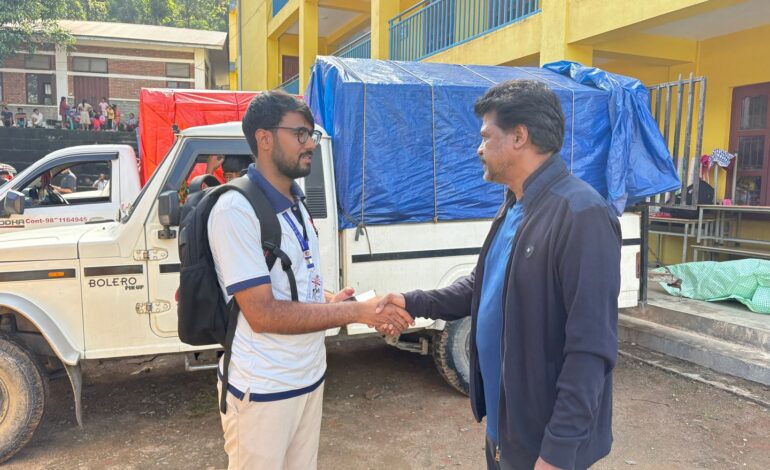
This field assessment has supported A-PAD in implementing an effective response. A team from A-PAD Bangladesh arrived in Nepal today to set up a medical camp, and is currently meeting with Nepalese doctors to prepare for camps to be established tomorrow. Alongside this, A-PAD is procuring essential supplies, standardised kits of food and non-food items, for distribution to affected communities. The initial round of distribution will target 300 people.
A-PAD remains committed to supporting this response through its immediate relief phase and into the long-term recovery that affected communities will require.