Japan’s Resilience Framework, In Ambassador Isomata’s Words: A Roadmap for Sri Lanka
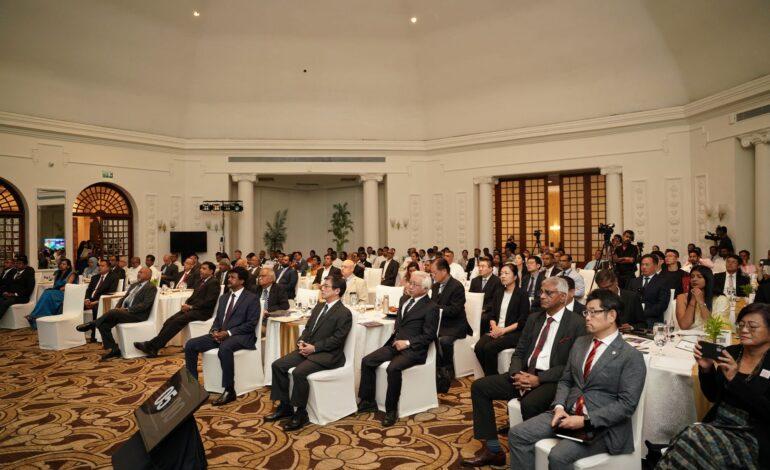
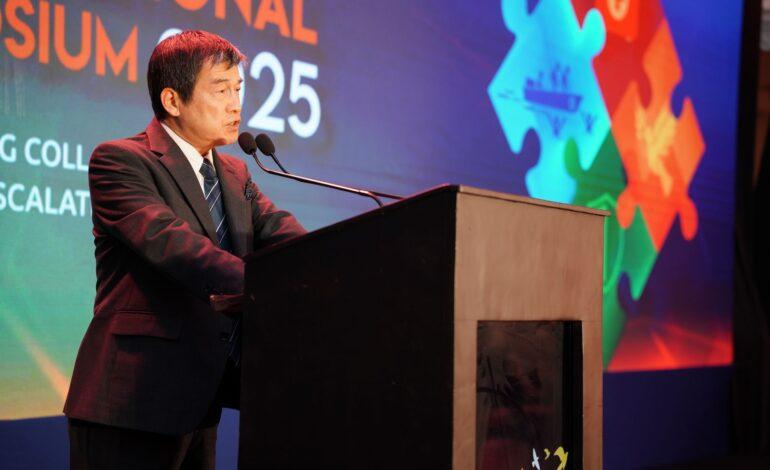
At A-PAD’s Annual International Symposium H.E. Mr. Akio Isomata, Ambassador of Japan to Sri Lanka, as the Chief Guest of the event, shared insights from Japan’s decades of experience managing recurring natural disasters – and outlined what he considers the foundations of genuine national resilience.
His address touched on early warning systems, telecommunications infrastructure, public–private partnerships, community preparedness, and the importance of learning continuously from past failures. Less than 72 hours after he spoke, Cyclone Ditwah struck Sri Lanka, making his remarks particularly relevant to where the country now finds itself.
Key Messages on Strengthening Disaster Resilience from the Ambassador
Ambassador Isomata outlined Japan’s fundamental plan for national resilience, guided by four core goals: to prevent loss of life by any means, to avoid critical damage to essential functions for maintaining administrative functions as well as social and economic systems, to mitigate damage to private property and public facilities, and to ensure swift recovery and reconstruction. To achieve these, Japan’s Cabinet adopted five policy pillars:
- Developing and managing disaster prevention infrastructure to protect people’s lives and property
- Strengthening the resilience of lifelines such as transport, communications and energy, and guaranteeing alternatives
- Strengthening public-private partnerships including ensuring business continuity in times of disaster
- Using new technology, especially digital technologies
- Improving local authorities’ disaster prevention capacities, taking into account each region’s unique characteristics.
He noted that the last two pillars – digital technologies and local government capacity – were more recently adopted, reflecting how the framework evolves with changing circumstances.
But his broader point was that none of this represents new thinking. What distinguishes Japan’s approach is the consistency and depth with which these fundamentals are applied across all levels of society, and the discipline to keep building on them after every disaster.
He walked through specific dimensions of Japan’s approach – treating telecommunications as critical infrastructure that must remain functional during crises, conducting realistic multi-agency simulation exercises, strengthening public–private partnerships, and embedding disaster education in schools, workplaces, and communities. These are practices Japan has institutionalised over time, and ones that the Ditwah experience suggests Sri Lanka would benefit from prioritising.
Relevance to Sri Lanka’s Post-Ditwah Recovery
Cyclone Ditwah highlighted several of the gaps that were addressed by the Ambassador at the event. Telecommunications disruptions hampered coordination in affected areas. Road infrastructure damage delayed access to communities for several days. Hospitals across multiple districts were directly impacted. Volunteers and community groups responded with considerable energy, but the absence of formal coordination mechanisms in some locations led to duplication of effort.
As Sri Lanka moves from emergency response into recovery and longer-term development, the Ambassador’s framework offers a practical reference point. Strengthening telecommunications resilience, investing in hospital preparedness assessments, formalising volunteer coordination, and embedding disaster preparedness into national planning are all areas where focused action can reduce the impact of future events.
A Continued Partnership
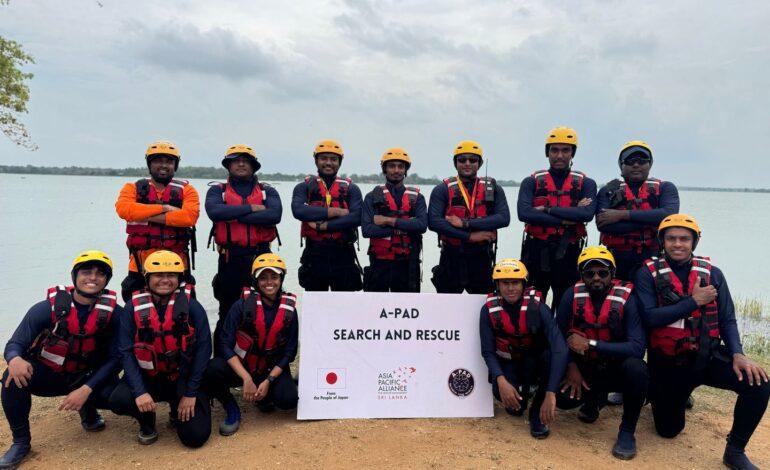
Japan’s engagement with Sri Lanka on disaster resilience extends well beyond the forum. Ongoing bilateral cooperation includes support for early warning infrastructure, search and rescue capacity building, and digital broadcasting systems. A-PAD SL has been a consistent partner in this work, facilitating collaboration between government agencies, the private sector, and communities across the country.
Ambassador Isomata’s participation in the forum – and his willingness to share Japan’s lessons openly – reflects the kind of practical, experience-based partnership that A-PAD SL values and continues to build on.