On the Ground After Cyclone Ditwah: Flood Impacts and Urgent Humanitarian Needs in Neelabemma
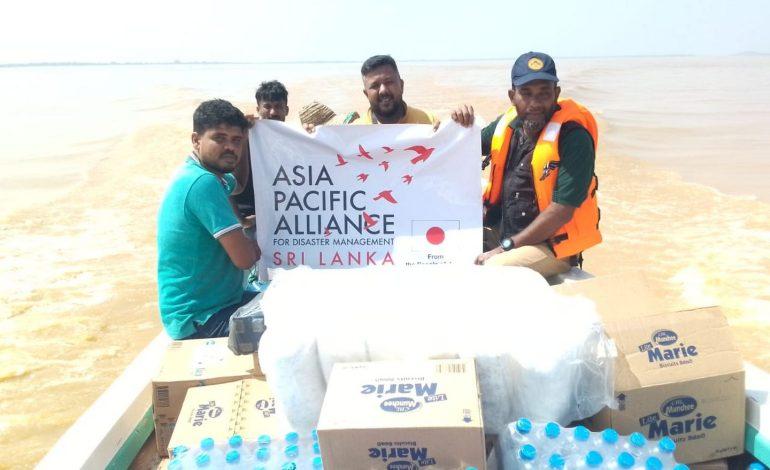
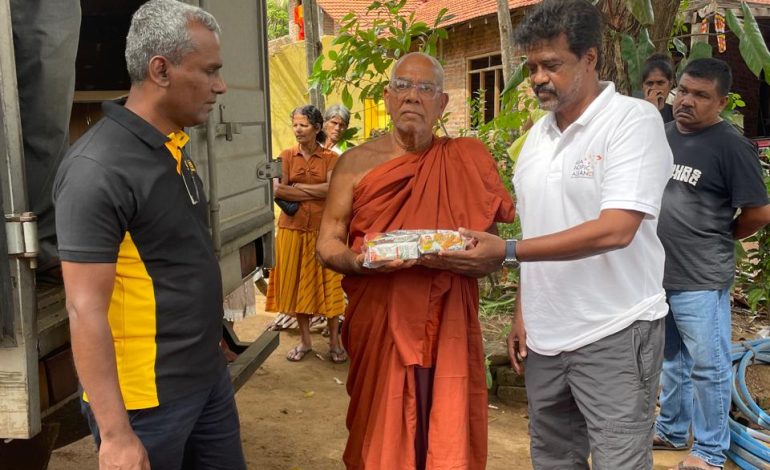
Cyclone Ditwah made landfall in Sri Lanka on 27 November 2025, bringing intense rainfall that overwhelmed river systems, triggered flooding, and caused widespread damage to homes, infrastructure, and livelihoods across the island. In the days following the disaster, A-PAD Sri Lanka engaged on the ground in flood-affected communities to understand the scale of impact and respond to urgent humanitarian needs.
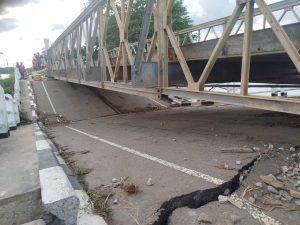
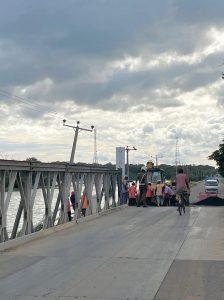
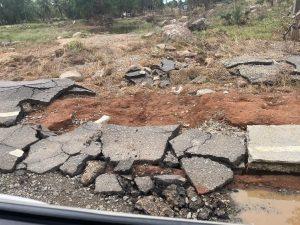
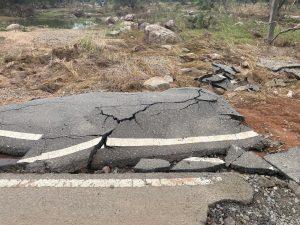
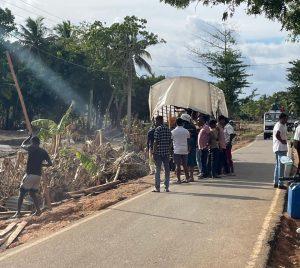
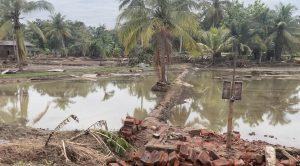
In Neelabemma, located in the Karuwalagaswewa Divisional Secretariat of Puttalam District, is a rural village that relies on agriculture for its livelihood. The effects of the cyclone in the locality were immediately evident. Access routes into the area reflected the severity of the damage. A collapsed bridge at Thabbowa Wewa along the Puttalam–Anuradhapura–Trincomalee Road had been temporarily restored to allow limited movement, while internal roads were heavily eroded or blocked by debris, leaving communities largely isolated.
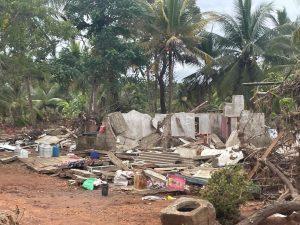
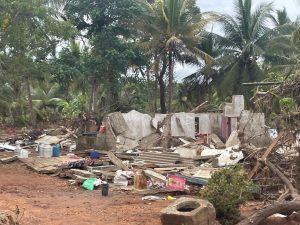
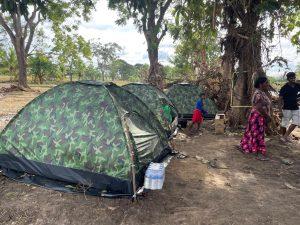
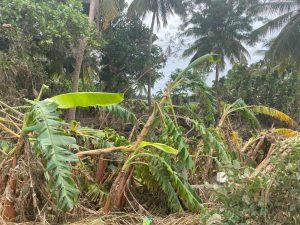
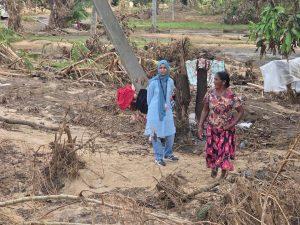
Within the villages, housing destruction was widespread. Entire homes had collapsed or been reduced to rubble, while others stood partially damaged with walls and roofs torn away. Families reported losing shelter, belongings, and food stocks within hours and were now living in makeshift tents or damaged structures, often without safe water or sanitation. Agricultural lands – the primary source of income – were submerged or destroyed, placing farming households at risk of prolonged economic hardship.
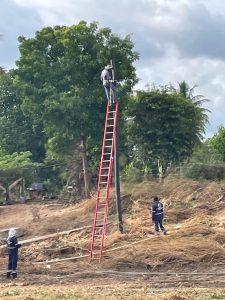
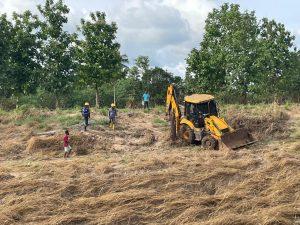
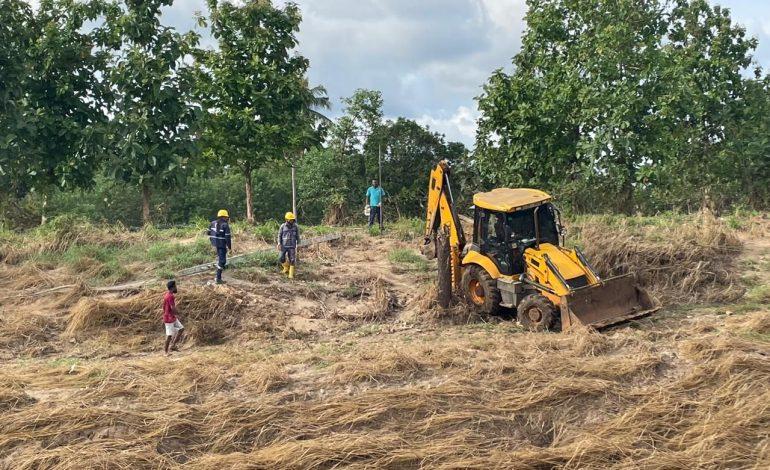
Essential services remained disrupted. Fallen power lines left many areas without electricity, while Central Electricity Board (CEB) teams were observed actively restoring connections, working under challenging conditions to reinstate services. Despite the devastation, a strong spirit of volunteerism was evident, with community members and volunteers clearing debris, supporting vulnerable households, and constructing temporary shelters.
Despite extensive damage, recovery in Neelabemma is already taking shape through community resilience and coordinated action. Temporary access routes are being restored, volunteers and affected families are building provisional shelters, and utility teams are working to reinstate electricity and essential services. The focus must now shift from emergency relief to structured recovery – prioritising resettlement for displaced families, restoration of critical infrastructure, safe housing, and early livelihood revival. Strengthening roads, power and water networks, and coordination among government, civil society, and communities will be key to restoring stability and building long-term resilience.
Learn more about the impact in Neelabemma and our ongoing relief efforts – DOWNLOAD REPORT