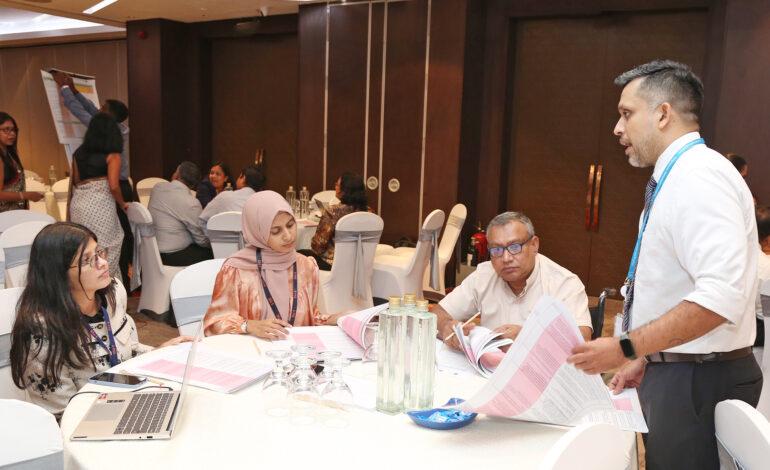
The World Food Programme Organizes a Multi-sectoral Workshop to Assess Emergency Preparedness and Capacity in Sri Lanka.
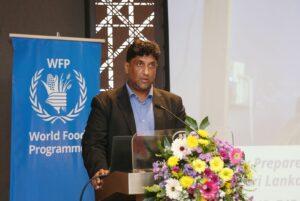
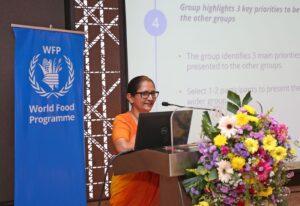
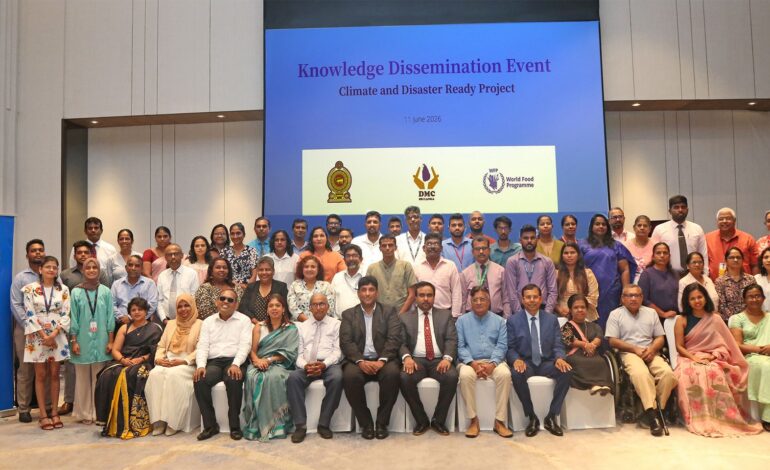
On 10 June 2026, the World Food Programme (WFP), in collaboration with the Ministry of Rural Development and Social Security, convened the Emergency Preparedness and Capacity Indicator (EPCI) Workshop. The event aimed to evaluate the contributions of WFP’s “Climate and Disaster Ready” project over the past three years.
The workshop brought together a diverse group of stakeholders including government officials, private sector representatives, and civil society organisations (CSOs) to take stock of Sri Lanka’s disaster preparedness landscape through a multi-sectoral lens.
Proceedings opened with an overview of the project and the EPCI tool developed by WFP to assess the country’s disaster preparedness and response capacity. Community awareness of disaster risk reduction, and the integration of private sector into governmental disaster management plans were among some of the areas assessed by the EPCI tool. Participants then engaged directly with the assessments, drawing on their own professional experiences and perspectives to evaluate the current state of preparedness in a practical, hands-on manner. The session also provided a platform for identifying existing gaps and sharing concrete recommendations for strengthening resilience.
The breadth of participation across government, the private sector, and civil society underscored a central message: building resilience is a shared responsibility. As Sri Lanka faces growing climate-related shocks and vulnerabilities, cross-sectoral collaboration remains essential to ensuring communities are prepared when it matters most.