A-PAD Sri Lanka Conducts Field Visit to the Northern Province
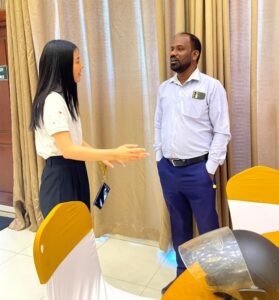
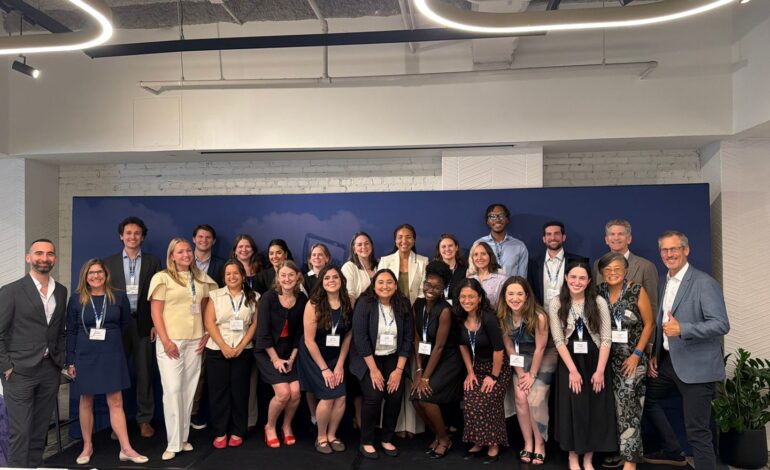
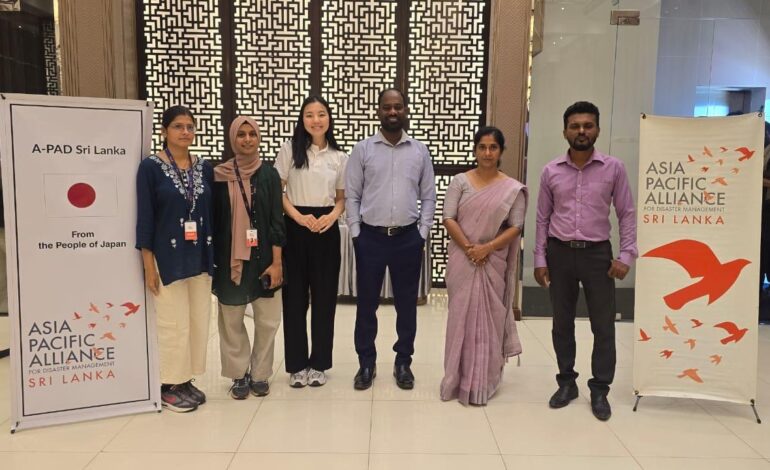
In June, A-PAD Sri Lanka’s team travelled to the Jaffna district for a field visit, joined by Ms. Saki Sato of the A-PAD Management Office in Japan, to engage with ongoing platform activities in the North. Over two days, the team engaged with focal points government institutions, private sector, and academic bodies to assess A-PAD Sri Lanka’s engagement and partnerships in the region and identify areas for further support.
Muti-Stakeholder Meeting on El Niño Heatwave
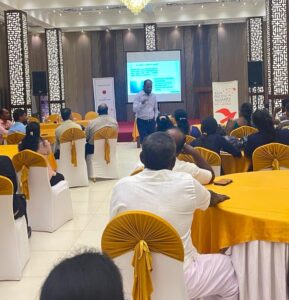
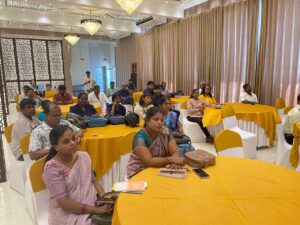
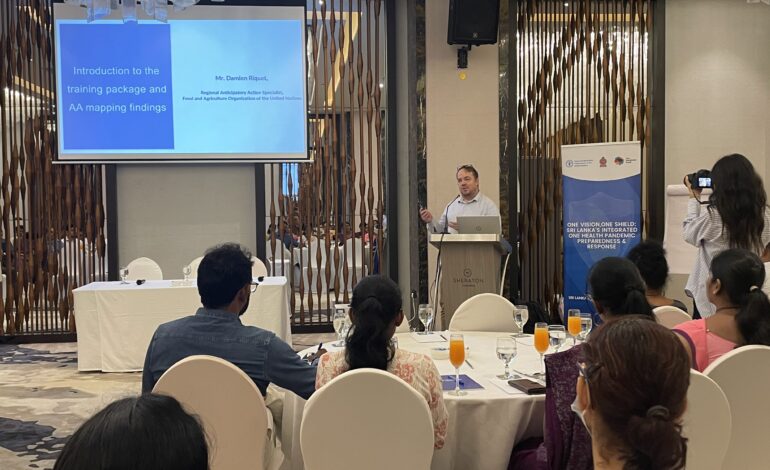
During the visit, the team joined A-PAD Sri Lanka’s Northen Province Platform Meeting on “Addressing the El Niño Heatwave, Socio-Economic Vulnerabilities, and Adaptation Frameworks.” The session was guided by Prof. N. Prathibaraja, Professor of Geography, Certified Meteorologist, and Dean of the Faculty of Arts at the University of Jaffna; Mrs. Anoja Niroshan, Senior Chemist at the National Water Supply and Drainage Board – Jaffna; and Mr. Ragulan, Executive Director of Save a Life Sri Lanka. The meeting was attended by over 30 representatives from small and medium enterprises, tourism sector, academia, and other sectors.
Discussions centred on the challenges posed by the El Niño heatwave and the adaptation measures needed to mitigate its economic impacts, along with strategies for water safety and security and for strengthening food supply chain resilience. The meeting closed with an open discussion in which participants reflected on the sessions and exchanged perspectives on practical next steps, underscoring the need for a unified approach to business resilience and supply chain continuity in the face of increasing climate shocks.
Visit to A Flood-Prone School
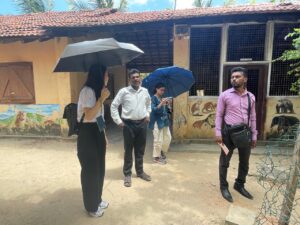
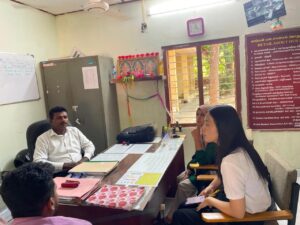
The team also visited Vatharavaththai Vigneshwaram School in Jaffna to assess the school’s exposure to flood risk. Received by Principal, the team learned that while the main school building is unaffected by flooding, its backyard and access routes are regularly inundated during heavy rain, at times cutting off the school for up to a month. Furthermore, the students and their families are directly affected, as flooding disrupts their homes and, in turn, their education. Another concerning factor was that, as the school is located in a remote locality, access to basic facilities such as medical care, essential supplies, and public transportation is limited.
Discussion on DRR-based Tech Solutions
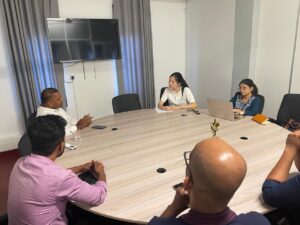
A collaborative meeting was also held with UNICOM TIC, a technology-focused teaching institution, to explore how students could develop tech-based solutions for disaster risk reduction, such as mobile applications. Discussions highlighted gaps that exist in obtaining timely data and the need for a streamlined method to access them.